What Rebar Building Products Will I Need?
Reinforced concrete is the backbone of modern construction. From residential foundations to large-scale commercial and infrastructure projects, concrete relies on steel reinforcement to perform safely and reliably over time. Knowing what rebar building products are needed is essential for proper planning, accurate budgeting, and efficient execution on the site.
Rebar should not be viewed as a single material decision. Instead, it is a system that includes reinforcing steel, fabrication methods, placement support products, and, in some cases, protective treatments. Each of these elements plays a role in how concrete performs during construction and throughout the life of the structure. Understanding these components in advance helps reduce delays, limit rework, and improve long-term durability.
Reinforcing Steel Bars
Reinforcing steel bars form the core of nearly all reinforced concrete systems. Concrete performs well under compression, but it lacks the tensile strength required to handle bending, stretching, and shifting forces. Rebar compensates for this weakness by absorbing tension and distributing loads more evenly throughout the structure.
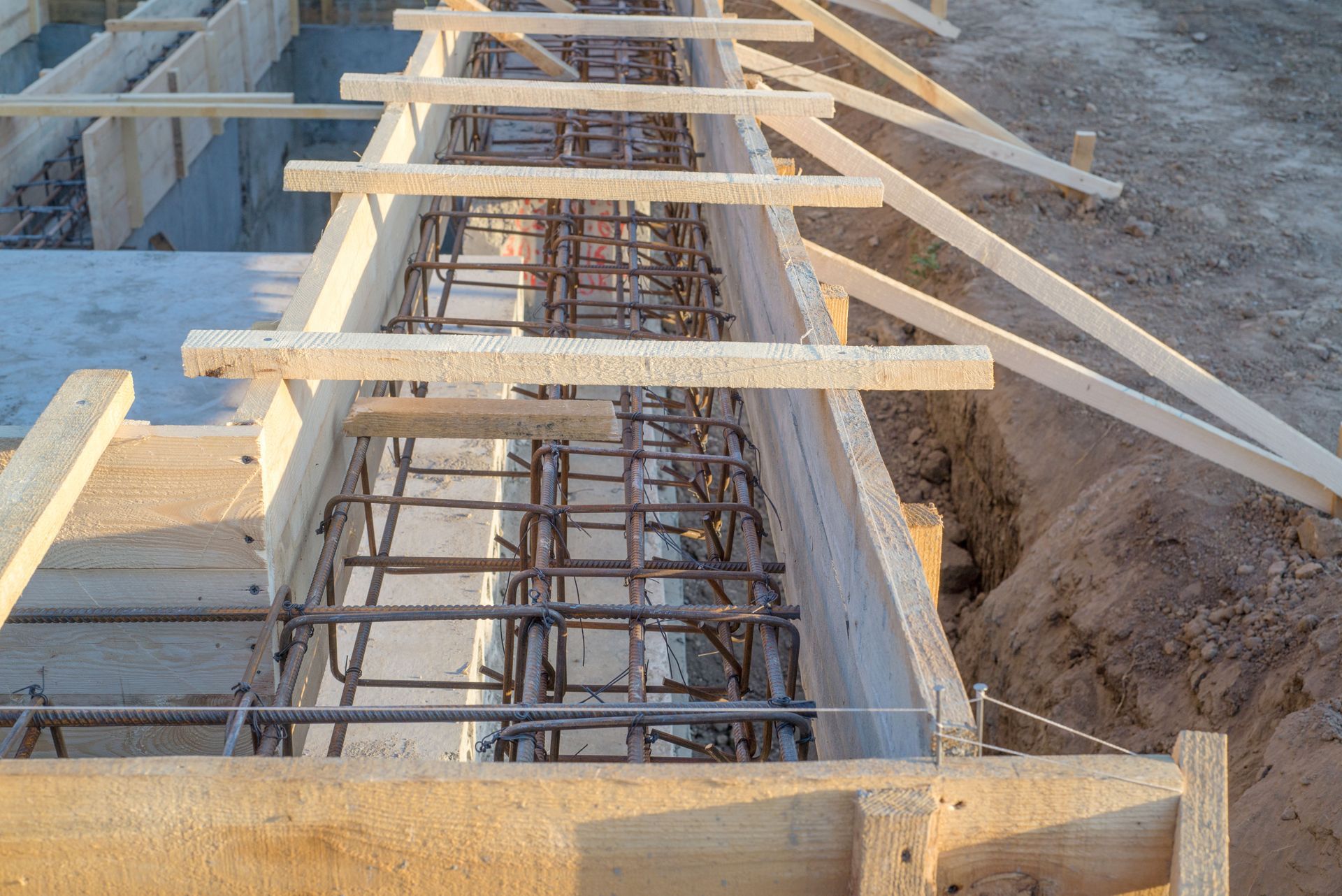
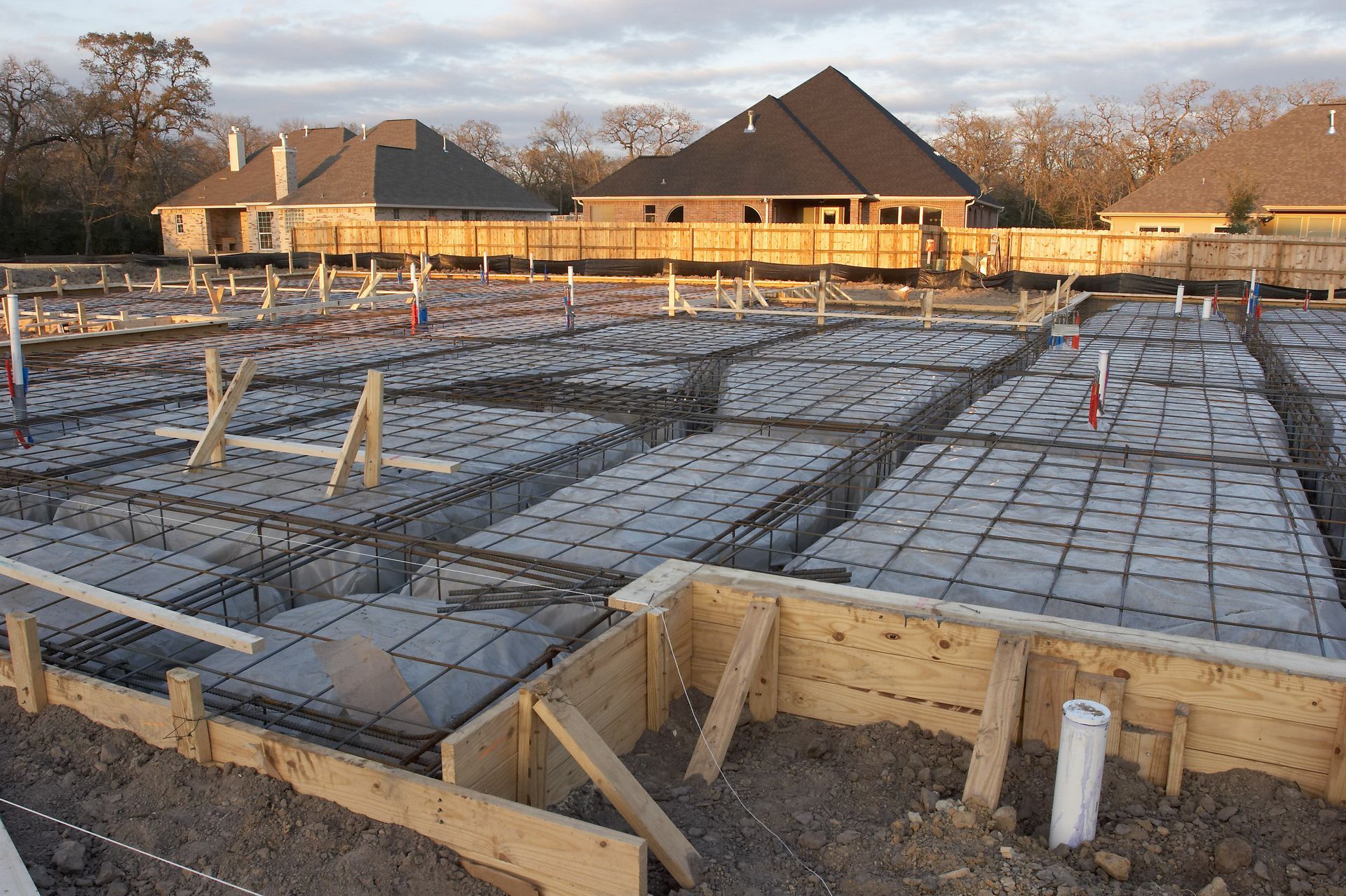
Reinforcing bars are used in footings, slabs, walls, beams, columns, and structural supports. Their size and spacing are determined by engineering calculations and building codes, which take into account load requirements, soil conditions, and expected stresses. Selecting the correct bar size ensures the concrete can handle both everyday use and unexpected forces such as temperature changes or ground movement.
The importance of reinforcing steel is especially evident in infrastructure projects. According to Global Market Insights, 45,000 U.S. bridges require rebar for repairs, with $110 billion allocated in government funding for infrastructure improvements in recent years. This illustrates how essential rebar building products are to maintaining and extending the life of critical structures across the country.
Fabricated Rebar
Fabricated rebar refers to reinforcing steel that has been cut and bent to precise specifications before it reaches the site. Rather than delivering straight bars that must be shaped in the field, fabrication prepares each piece to match the project's drawings.
This approach offers several advantages. Fabricated rebar improves accuracy by ensuring every bend and length matches design requirements. It also reduces on-site labor, which can be significant on projects with complex reinforcement layouts. By minimizing field cutting and bending, fabrication helps crews install reinforcement faster and with fewer errors.
Fabricated rebar also supports better material management. When steel is prepared in advance, waste is reduced, and scheduling becomes more predictable. For projects with tight timelines or limited site space, fabrication can be a major factor in keeping work moving smoothly.
Rebar Detailing
Before fabrication can occur, rebar detailing is required to define exactly what reinforcement is needed. Detailing involves converting structural drawings into clear, precise reinforcement plans that specify bar sizes, shapes, quantities, and placement locations.
This step is critical for determining which rebar building products are required and how they will be used. Accurate detailing helps prevent material shortages, excess inventory, and last-minute design clarifications. It also supports coordination between reinforcement installation and concrete placement.
On large or technically complex projects, rebar detailing can significantly reduce the risk of delays caused by misinterpretation of drawings. By clarifying reinforcement requirements early, detailing improves communication across the project team and helps ensure materials are ordered correctly the first time.
Pre-Assembled Rebar Components
Some structures benefit from rebar that is assembled into cages or sections prior to delivery. Pre-assembled rebar components are commonly used for columns, piers, grade beams, and other elements where reinforcement patterns are repetitive or complex.
Pre-assembly allows these components to be built under controlled conditions, which can improve consistency and accuracy. Once delivered, assemblies can be placed directly into forms, reducing the amount of tying and adjustment required on-site. This approach can shorten installation time and help maintain alignment during concrete pours. Pre-assembled rebar is especially useful on projects where labor availability is limited or where installation speed is critical to maintaining the construction schedule.
Wire Mesh Reinforcement
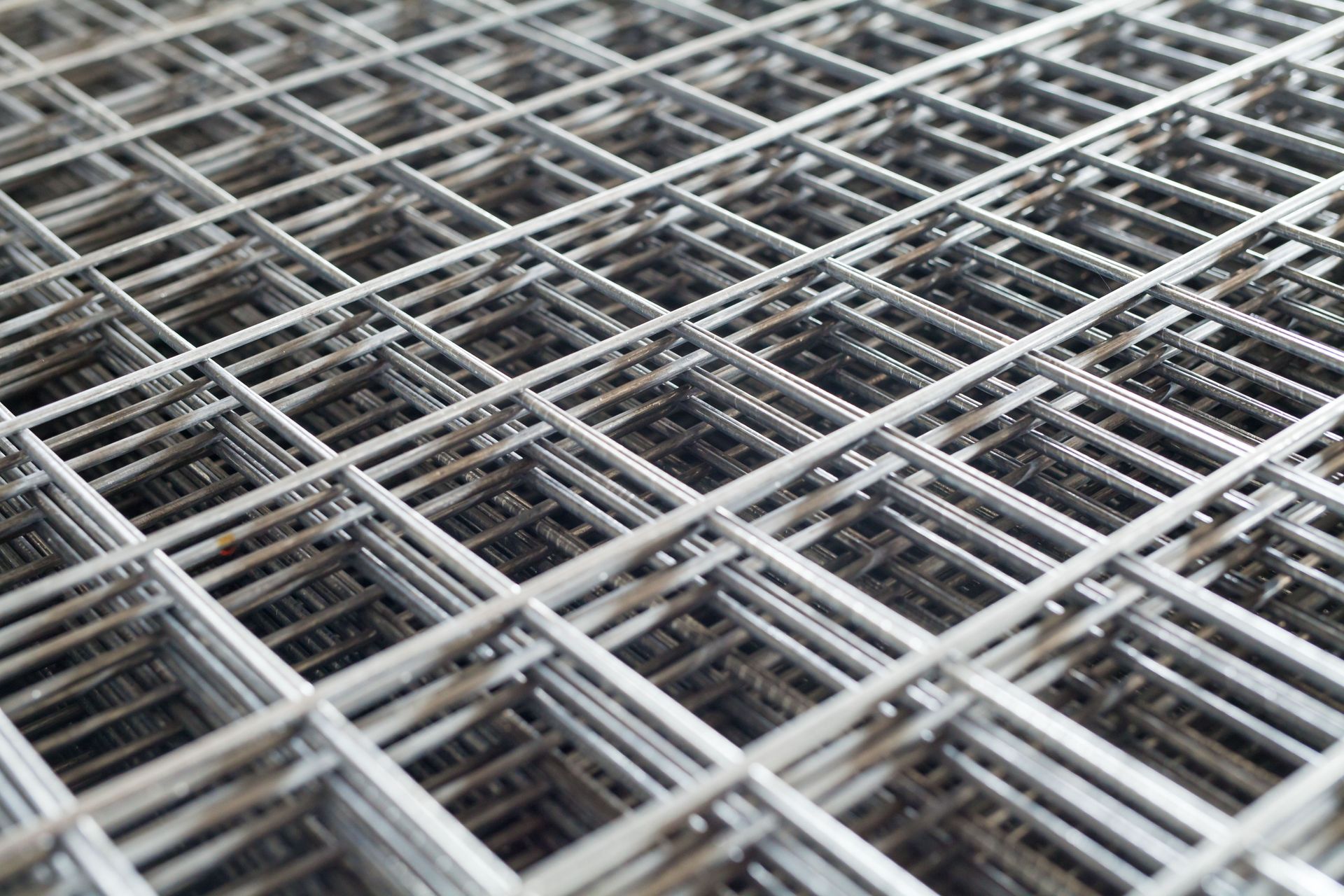
Wire mesh is another important rebar building product, particularly for slabs and flatwork. It consists of welded steel wires arranged in a grid pattern and is used to help distribute loads and control cracking in concrete surfaces.
Wire mesh is commonly applied in residential slabs, sidewalks, driveways, and light commercial floors. It works by limiting the width of cracks caused by shrinkage and temperature changes, helping maintain surface integrity over time.
While wire mesh does not replace reinforcing bars in structural applications, it often complements rebar by enhancing performance in horizontal concrete elements. Proper sizing and placement are essential to ensure the mesh functions as intended once the concrete cures.
Concrete Accessories
Concrete accessories are a critical but sometimes overlooked part of reinforcement systems. These products support proper rebar placement and help ensure reinforcement performs as designed.
Spacers and supports maintain the correct distance between rebar and formwork, ensuring adequate concrete coverage. This coverage is essential for strength, fire resistance, and corrosion protection. Tie wire and fastening tools secure bars and assemblies so they remain in position during concrete placement. Without the correct accessories, rebar can shift during pours, leading to uneven coverage and reduced structural effectiveness. Including accessories as part of rebar planning helps maintain quality and consistency throughout the project.
Epoxy-Coated Rebar
In certain environments, standard reinforcing steel may be vulnerable to corrosion. Exposure to moisture, chemicals, or de-icing salts can cause steel to rust, which may lead to cracking and spalling in concrete over time. Epoxy-coated rebar addresses this risk by adding a protective coating that slows corrosion.
Epoxy-coated rebar is commonly used in bridges, parking structures, marine environments, and other high-exposure applications. While it is not required for every project, it can significantly extend the service life of reinforced concrete in harsh conditions. Evaluating environmental factors early in the planning process helps determine whether epoxy-coated rebar is a practical and cost-effective solution.
Delivery and Scheduling Considerations
Rebar building products must arrive on schedule to support concrete placement and overall project flow. Delays in reinforcement delivery can disrupt pours, increase labor costs, and force changes to sequencing.
Coordinating fabrication, assembly, and delivery helps ensure reinforcement is available when needed. Reliable scheduling reduces downtime and allows crews to work efficiently without rushing installations. Planning logistics alongside material selection is an important part of successful reinforcement management.
Bringing the System Together
Determining what rebar building products are needed requires a comprehensive view of the project. Most builds require reinforcing steel bars supported by accurate detailing. Many benefit from fabricated or pre-assembled rebar to improve efficiency. Wire mesh and concrete accessories support proper placement and crack control, while epoxy-coated rebar may be necessary in corrosive environments.
Looking at reinforcement as a complete system rather than a single purchase leads to better outcomes. When each component is selected intentionally, concrete structures are stronger, more durable, and easier to build. Understanding what rebar building products are needed is a fundamental step in planning reinforced concrete construction. Each product, from reinforcing steel and fabrication to detailing, accessories, and protective coatings, contributes to structural performance and job site efficiency.
At Spring Creek Building Supply, LLC, we provide rebar fabrication, rebar detailing, pre-assembly, wire mesh, concrete accessories, and in-house epoxy coating, supported by short lead times, job site delivery services, and hundreds of years of combined industry experience. By offering complete reinforcement solutions, the company helps clients move forward with fewer worries and greater confidence on every project.

Share On: