What to Consider When Looking for Rebar Products
Choosing the right reinforcement materials is a fundamental step in ensuring the structural integrity and longevity of any construction project, whether it involves a residential driveway or a massive industrial foundation. The process of sourcing high-quality steel requires a deep understanding of various technical specifications, environmental factors, and engineering requirements that dictate how masonry and concrete will perform over several decades. By focusing on the essential characteristics of modern strengthening materials, builders can avoid costly mistakes and safety hazards. Evaluating the diverse marketplace for these essential components ensures that every investment leads to a stable and durable finished structure.
Evaluating the Grade and Strength Requirements
Determining the specific yield strength needed for your project is the primary step when you begin browsing for various rebar products available today. Steel reinforcement is typically categorized into grades, such as Grade 40 or Grade 60, which represent the minimum yield strength in thousands of pounds per square inch. Engineers specify these grades based on the anticipated load-bearing capacity and the architectural design of the building. Choosing a grade that is too low could lead to structural failure, while an unnecessarily high grade might increase project costs without providing additional benefits. Understanding these metrics ensures that the skeleton of your concrete remains robust.
Analyzing the Environmental Resistance Options
Considering the location of your construction site is vital because moisture and salt can lead to rapid oxidation and internal expansion of the metal. If you are building in a coastal area or a region where de-icing salts are frequently used, you should look for specialized rebar products like epoxy-coated or galvanized steel. These coatings provide a critical barrier against corrosion, which is the leading cause of concrete spalling and structural degradation over time. Even stainless steel options exist for projects requiring extreme longevity. Matching the material finish to the atmospheric conditions of the site prevents premature maintenance issues and expensive repairs.
Examining the Sizing and Diameter Specifications
Measuring the thickness of the reinforcement bars is a technical necessity that directly correlates with the thickness and purpose of the concrete slab itself. Standardized numbering systems help contractors identify the diameter of the steel, ensuring that the spacing between bars allows for proper aggregate flow during the pouring process. If the bars are too thick for the application, the concrete may not bond correctly, whereas bars that are too thin will fail to provide the necessary tension resistance. Accurate sizing ensures that the internal framework functions as a cohesive unit, distributing weight evenly across the entire surface of the finished work.
Researching the Historical Context of Reinforcement
Appreciating the evolution of paving and structural support provides a better perspective on why modern standards are so incredibly rigorous for today's contractors. According to Concrete Network, the first concrete street in America was built in Bellefontaine, Ohio, in 1891. While early projects paved the way for modern infrastructure, they did not benefit from the advanced metallurgical testing and standardized manufacturing processes we have now. Today, when you choose modern rebar products, you are benefiting from over a century of engineering trials and refinements. This historical progression highlights the importance of using certified materials that meet current ASTM International standards for safety.
Investigating the Manufacturer and Supplier Credibility
Verifying the source of your construction materials is a safeguard against purchasing substandard or "off-spec" steel that could compromise a building's safety. When looking for reliable rebar products, it is essential to request mill test reports that document the chemical composition and physical properties of the specific batch. Reputable suppliers maintain strict quality control measures and can provide documentation proving that their steel meets the necessary structural codes. Avoiding untraceable or exceptionally cheap materials is a wise decision, as the long-term liability of a structural failure far outweighs any initial savings found through questionable sources.
Assessing the Fabrication and Bending Capabilities
Planning for the specific shapes and bends required by your architectural blueprints will influence how you order your reinforcement materials from a local fabrication shop. Many complex structures require custom-bent stirrups, ties, or corner bars that must be shaped with precision machinery to maintain their structural integrity without cracking. If you attempt to bend high-grade steel improperly on a job site, you risk creating micro-fractures that weaken the metal significantly. Quality rebar products should be handled by experts who understand the minimum bend diameters and heat-treatment limitations associated with different grades of carbon or alloyed steel reinforcement.
Reviewing the Delivery and Storage Logistics
Managing the arrival and onsite protection of your steel is a logistical hurdle that requires careful coordination to prevent surface rust and contamination. Before the materials even arrive, you must ensure there is a clean, elevated area to store the bundles away from direct contact with the soil. Mud, oil, or heavy oxidation on the surface of the bars can interfere with the bond between the steel and the wet concrete. When ordering rebar products, discuss delivery schedules with your supplier to ensure the steel is installed quickly after arrival, minimizing its exposure to the harsh elements and humidity.
Calculating the Total Cost and Value
Comparing the initial purchase price against the long-term maintenance requirements of the structure is a necessary financial exercise for any project manager or homeowner. While standard black steel is often the most affordable option upfront, its susceptibility to rust might make it a poor value for projects exposed to high levels of moisture. Investing a bit more in specialized rebar products can extend the life of a bridge, parking garage, or foundation by several decades, providing a much higher return on investment. Balancing your current budget constraints with the future costs of structural upkeep ensures a responsible and sustainable building process.
Understanding the Importance of Proper Spacing
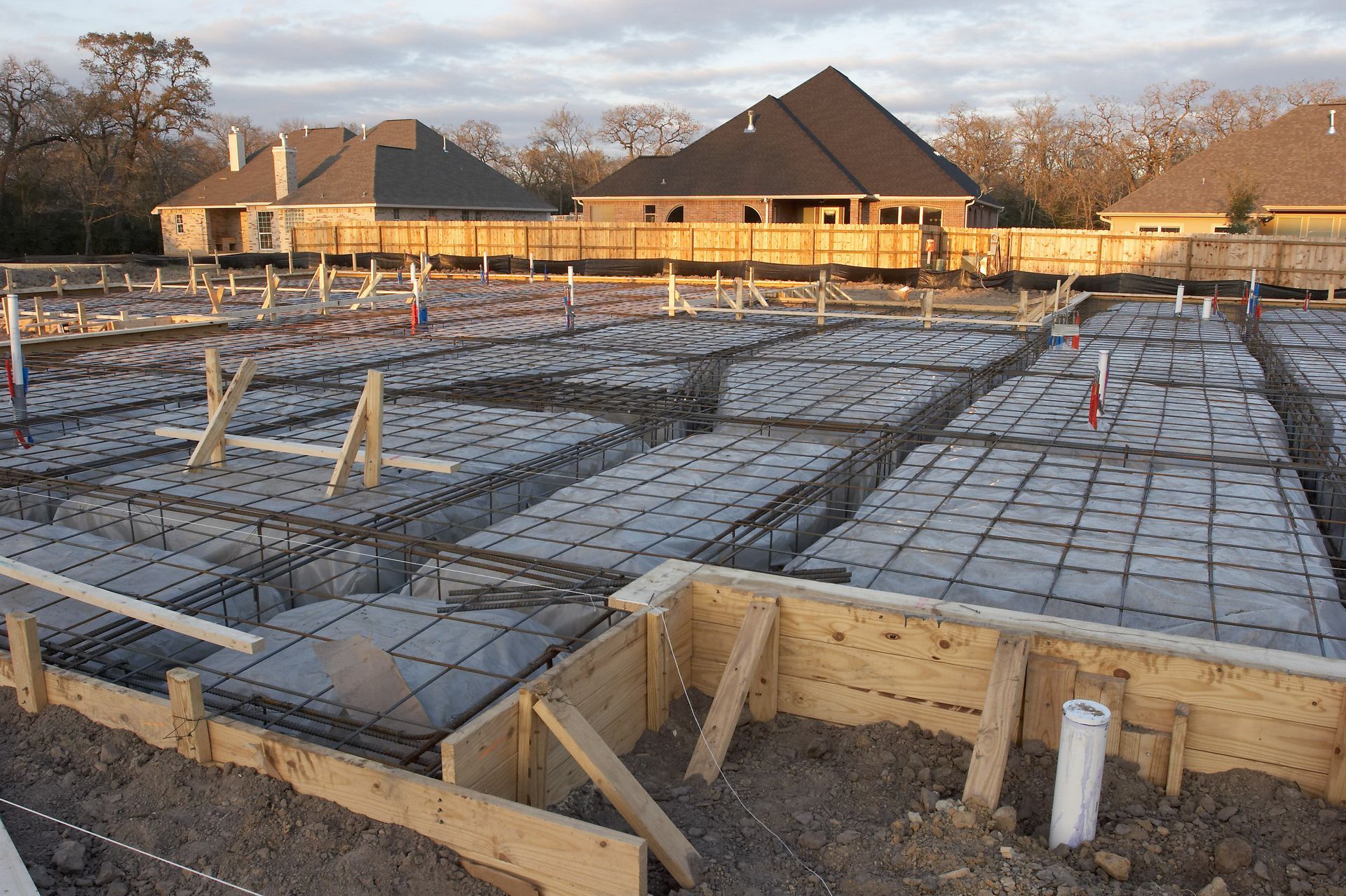
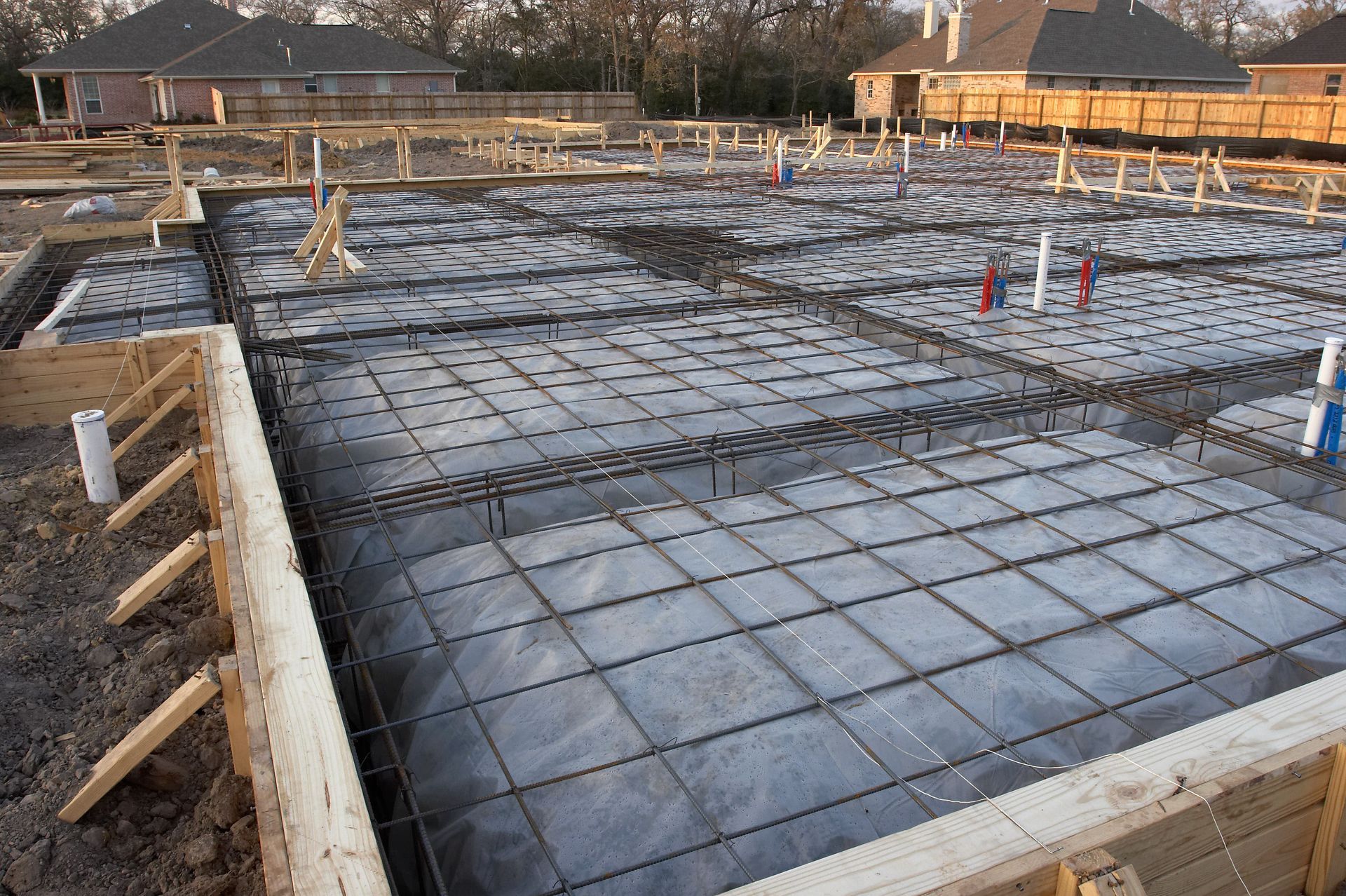
Ensuring that the steel is positioned correctly within the forms is just as important as the quality of the metal bars themselves. Professionals use "chairs" or "bolsters" to hold the reinforcement at a specific height, ensuring that there is enough concrete coverage to protect the steel from the outside environment. If the metal is too close to the surface, it will corrode much faster; if it is too deep, it may not provide the necessary tension support. When purchasing rebar, you must also include these accessory items in your order to guarantee the structural design is executed perfectly.
Identifying the Different Types of Steel Materials
Learning about the differences between carbon steel, low-alloy steel, and rail steel helps you choose the right mechanical properties for your specific application's unique demands. Carbon steel is the most common for general construction, but low-alloy steel is often preferred for applications involving welding or those in seismic zones where ductility is a primary concern. Some projects might even utilize glass fiber reinforced polymer bars for their non-conductive and non-corrosive properties. Knowing the full range of available rebar allows you to tailor your material choice to the specific engineering challenges of your project, ensuring maximum performance and safety.
Comparing the Deformed and Smooth Bar Options
Distinguishing between the surface textures of reinforcement bars is crucial because the "deformations" or ridges on the steel play a vital role in bonding. Most structural projects require deformed bars because the ridges lock the steel into the concrete matrix, preventing slippage when the slab is under heavy tension. Smooth bars are generally reserved for dowels in expansion joints, where the concrete needs to be able to move slightly without cracking the entire structure. Choosing the correct texture ensures that the interaction between the metal and the masonry behaves exactly as the structural engineer intended for that specific joint.
Finalizing the Choices for Long-Term Success
Conforming to all legal building codes and safety regulations is the ultimate goal when you finish choosing the materials for your next masonry or concrete project. Taking the time to evaluate grades, coatings, sizes, and supplier reputations ensures that the foundation of your work is built on a bedrock of quality and professional integrity. By carefully considering every aspect of the reinforcement process, you protect both the physical structure and the people who will eventually utilize the space. A well-informed decision regarding your construction materials creates a legacy of strength that will stand firm against the relentless tests of time. Are you seeking high-quality
rebar products in the Minster, OH area? Look no further than Spring Creek Building Supply, LLC! Call today to request an estimate.
Share On: