
5 Reasons Why Rebar Is Much More Modern Than Concrete
The construction industry has continually evolved, driven by the development of new materials capable of bearing structural loads and enduring environmental challenges. Rebar, a relatively contemporary innovation, has revolutionized the way we build modern structures, offering enhancements over ancient materials like concrete. This exploration delves into the comparative modernity of rebar and its disruptive influence in construction, emphasizing its structural benefits and futuristic promise.
This article will trace the historical journey of both materials, compare their properties, and explore technological innovations in rebar. Through this lens, we aim to unravel why rebar holds a distinctive position in modern construction, pushing the boundaries of strength, flexibility, and sustainability. Furthermore, we will look into future possibilities that rebar presents, bridged by ongoing research and integration with emerging technologies, signifying its role in shaping the infrastructure of tomorrow.
1. Understanding the Historical Background of Concrete
Concrete, a marvel of construction materials, has ancient roots dating as far back as 5,000 years according to Concrete Network, when it was first utilized by ancient civilizations. Early uses of concrete can be traced to the builders of the Great Pyramid of Giza, who employed an early form of concrete to hold stones together. This foundational work demonstrates how ancient societies leveraged naturally abundant resources to create durable and adaptive structures, laying a framework for future architectural ingenuity. As early builders discovered the binding properties of limestone, sand, and water, they opened new pathways in construction techniques that would endure until today.
The Roman Empire significantly advanced the development of concrete, effectively using it to realize monumental projects such as the Pantheon and the Colosseum. Roman concrete, known as opus caementicium, was prized for its impressive durability and strength, created from a volcanic ash called pozzolana mixed with lime and water. This amalgam resulted in a uniquely resilient material that allowed Romans to build striking, enduring architecture. The seamless ingenuity of Roman concrete was such that many of its structures still stand today, testifying to its enduring legacy in architectural history.
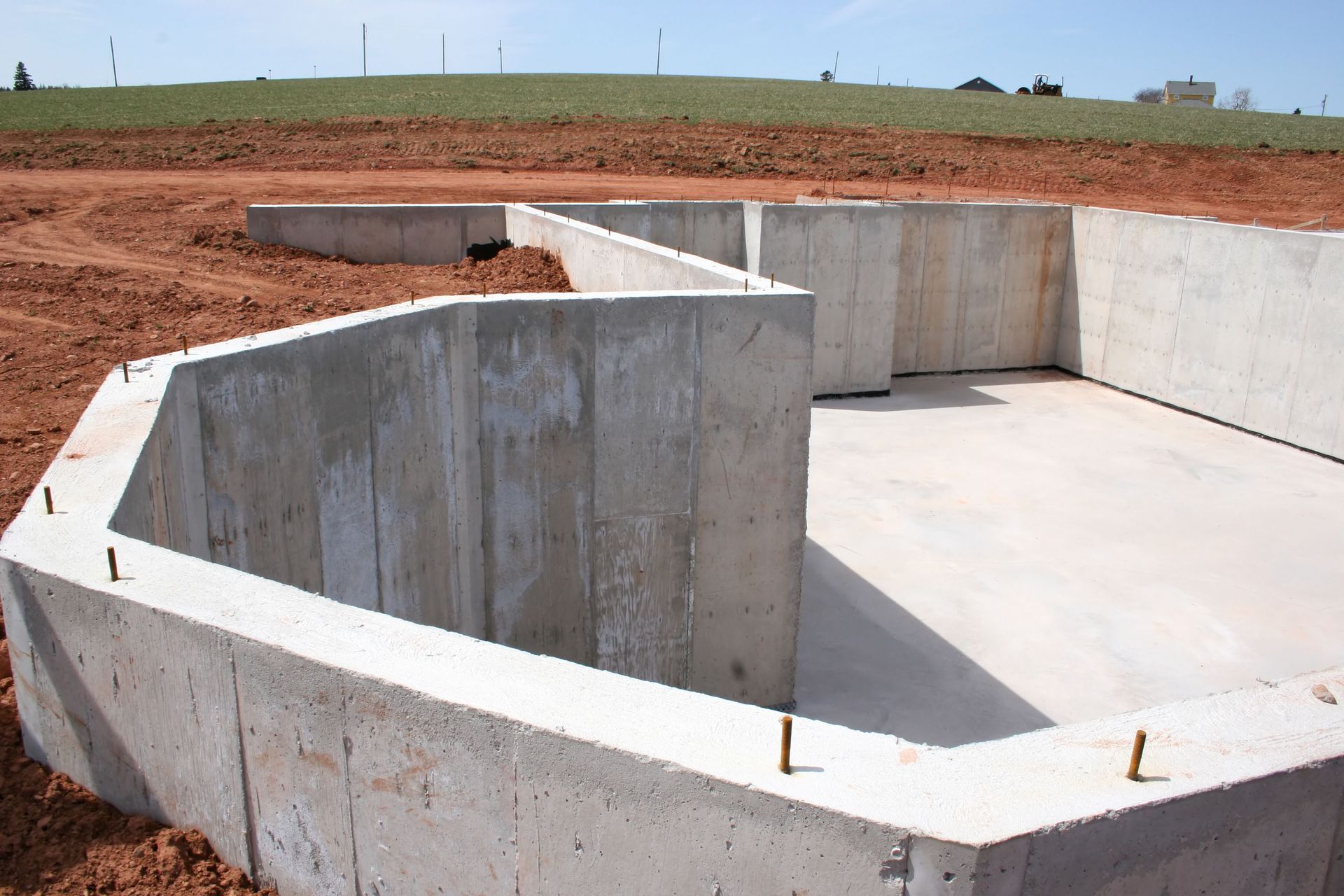
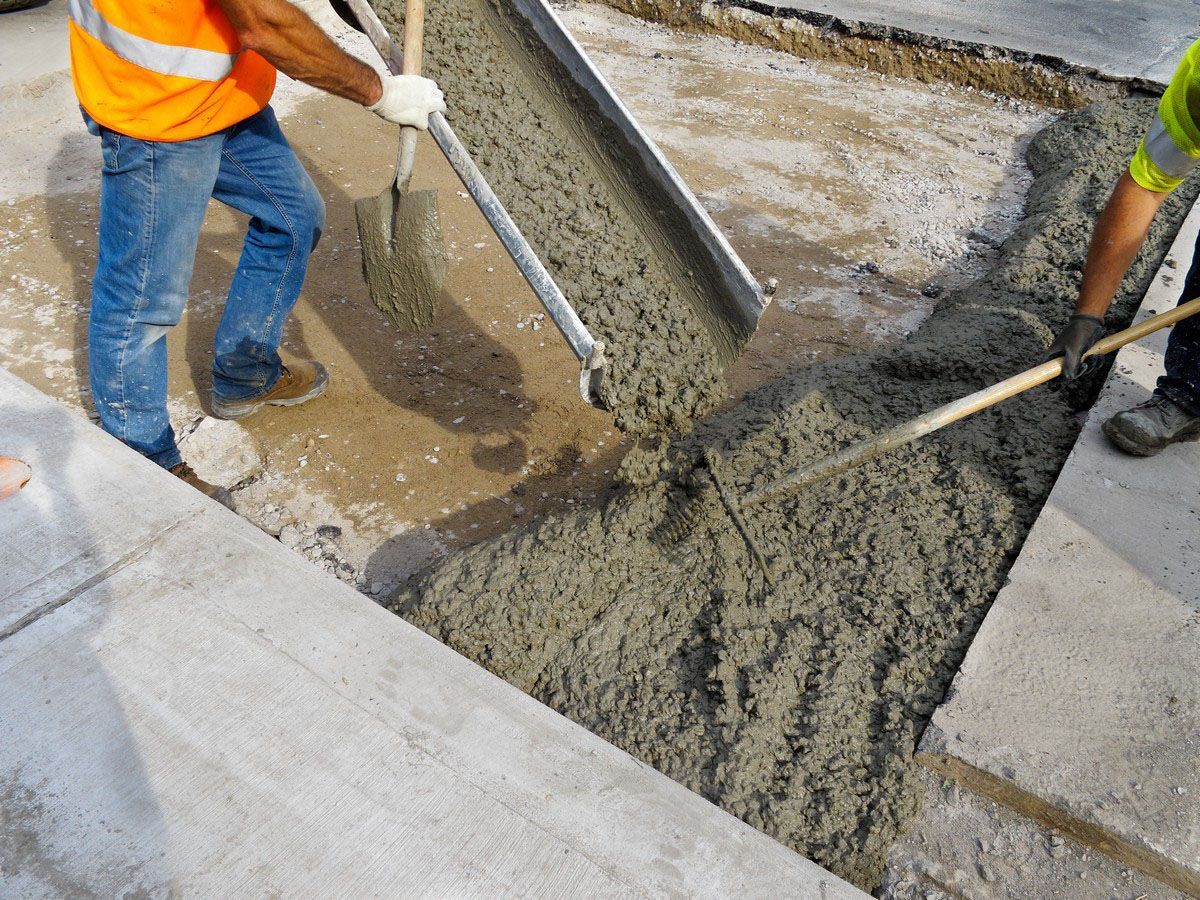
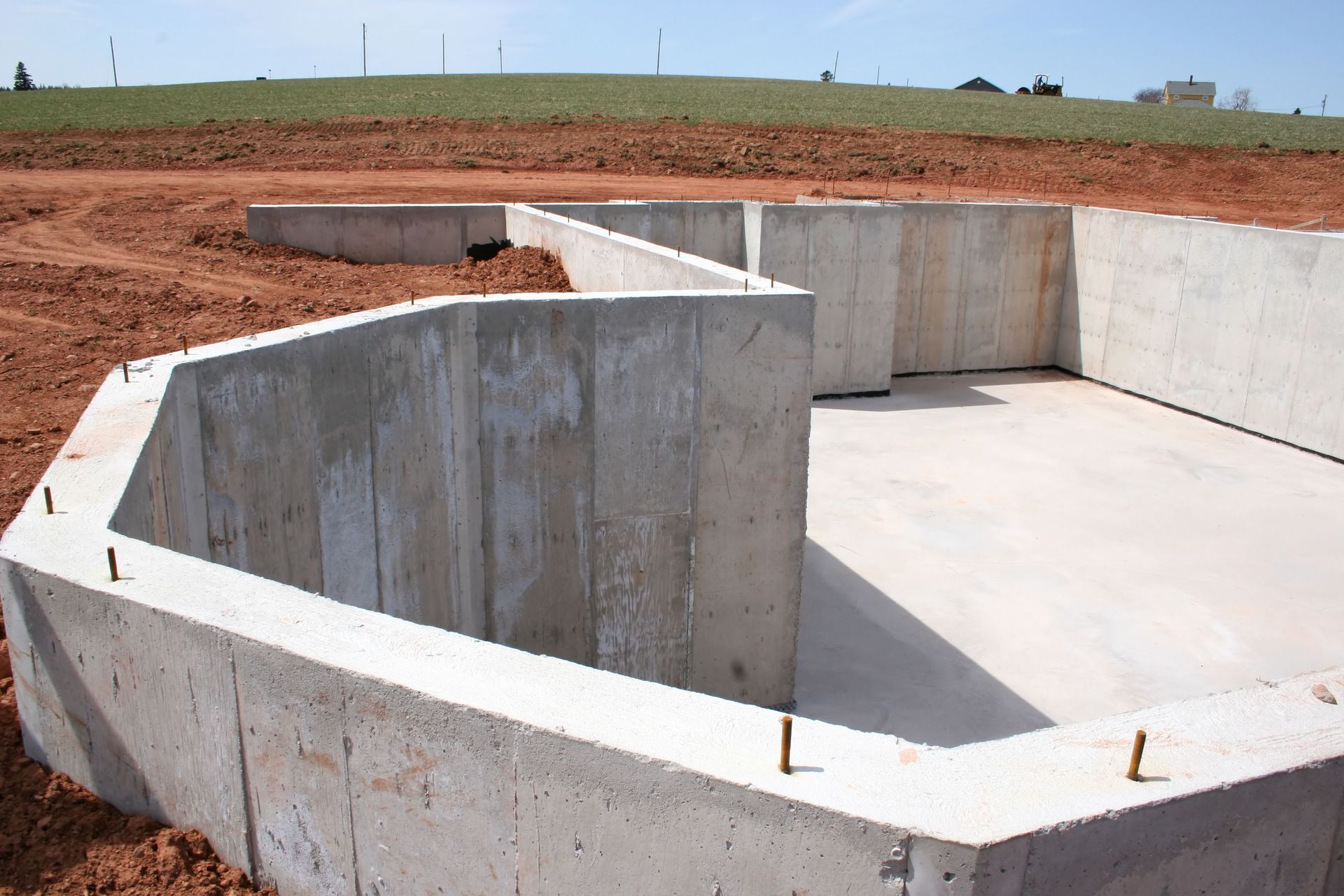
Following the decline of the Roman Empire, the use of concrete diminished in the Middle Ages, only to be revived during the Renaissance. This revival saw concrete reimagined in reseeding creative pursuits as artisans and architects sought robust materials for expressive and grandiose designs. The Industrial Revolution marked another turning point, streamlining concrete production and incorporating new techniques to meet the demands of urbanization. Modern-day concrete applications have grown vast and varied, encompassing everything from highways and bridges to modern skyscraper foundations, consolidating its essential role in construction.
2. Considering the Emergence of Rebar
Rebar, short for reinforcing bar, emerged as a pivotal player in construction during the late 19th century. The need for a material that could enhance concrete's tensile strength was evident, prompting innovators to explore metal and steel components for reinforcement purposes. As the construction industry expanded, rebar offered an effective solution to concrete's limitations, particularly its brittleness under tension. The introduction of rebar catalyzed a new era in construction, enabling more ambitious architectural feats.
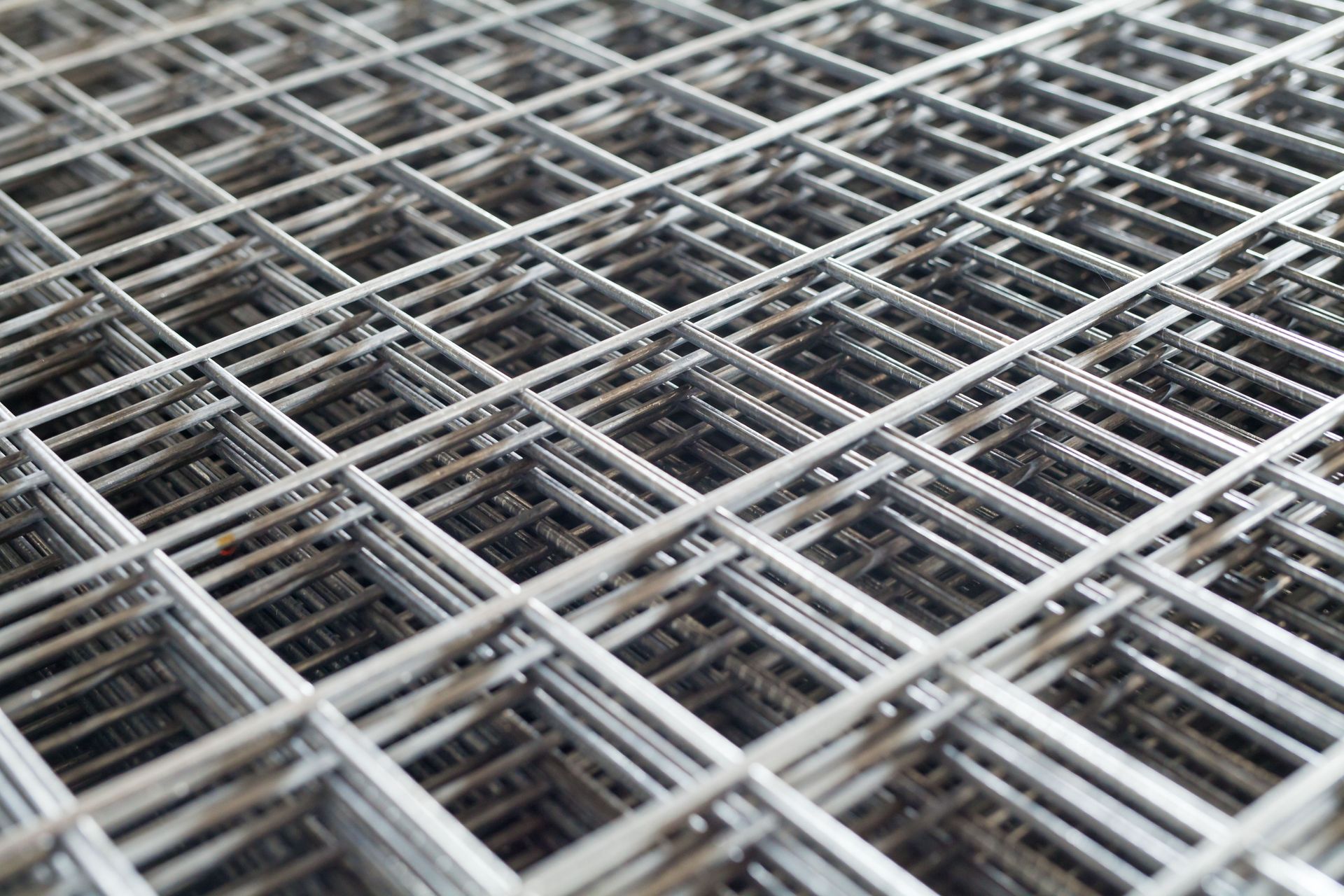
The formal patenting of steel reinforcement emerged with Joseph Monier, a French gardener who discovered the potential of strengthening concrete flowerpots using iron mesh. In 1867, Monier patented his method of embedding metal into concrete, marking a pivotal shift in construction practices. This innovation revolutionized the possibilities for concrete structures, allowing for enhanced durability, structural integrity, and an expanded design scope. Thus, rebar's integration into building practices summoned a new chapter in construction innovation.
The early 20th century witnessed the broad adoption of rebar, as reinforced concrete became standard practice across numerous applications. Rapid industrialization reinforced the demand for robust, high-load-bearing structures, spurring advancements in rebar manufacturing and reinforcement techniques. This period also saw rebar become central to significant infrastructural projects and urban proliferation, heralding its importance in shaping modern cities. As rebar spread globally, its necessity and utility cemented it as a ubiquitous asset in construction worldwide.
3. Comparing Structural Properties
The primary appeal of rebar in construction lies in its significant structural enhancements over pure concrete. Strength and durability are critical attributes that define a material's effectiveness, and rebar's integration provides concrete with the ability to withstand tensile stresses that it cannot endure alone. By bearing tensile loads, rebar prevents cracking and potential failures, safeguarding structural safety and longevity. The synergy between concrete's compressive strength and rebar's tensile resilience becomes especially pivotal for high-stress environments like bridges and high-rise buildings.
Flexibility and the capacity to handle tension are intriguing areas where rebar demonstrates superiority. Concrete, while immensely strong in compression, lacks flexibility and is inherently brittle in tension. Rebar offsets this shortcoming by distributing stress across its matrix, allowing structures to better absorb and redistribute forces. This aspect is highly advantageous in earthquake-prone regions where buildings must tolerate and dissipate seismic forces without sustaining significant damage, enhancing overall resilience.
Moreover, environmental resiliency is a significant factor when evaluating construction materials. Rebar imbues concrete structures with the robustness to withstand environmental factors such as wind, water, and temperature variations, which concrete alone may not endure as effectively. The weight-to-strength ratio of reinforced concrete accommodates slender designs without compromising load-bearing capacity, fostering an aesthetic and functional flexibility unseen in ancient construction methods. Furthermore, the lifespan and maintenance demands of structures benefit from the integration of rebar, as it arrests deterioration and extends utility.
4. Understanding the Technological Innovations in Rebar
The evolution of rebar technology continues to reshape the landscape of modern construction. High-strength steels have emerged, offering increased tensile strength, reducing the quantity of reinforcement needed for given loads, and facilitating lighter, more efficient design architectures. This not only minimizes material use but also reduces overall costs, promoting sustainable building practices. These developments underscore the dynamic progression of rebar from rudimentary bars to sophisticated, performance-enhancing materials.
Composite and hybrid rebar solutions underscore transformative advancements within the industry, offering a blend of different material properties. These novel rebars combine elements like fiberglass and carbon fiber, contributing attributes like greater tensile strength and resistance to natural wear. As technology advances, the adaptability of rebar to various building conditions has only heightened, broadening its applications in diverse construction scenarios. Furthermore, smart rebar technologies are beginning to incorporate sensors and IoT integration, providing real-time data on structural health and necessitating timely interventions.
5. Understanding Rebar's Role in Modern Construction Practices
Rebar plays an instrumental role in modern urban and high-rise construction, enabling the creation of structures that soar ever higher into city skylines. The blending of concrete's reliability with rebar's tensile support allows for the design and construction of innovative architectural forms and taller buildings. Urban settings benefit immensely as high-rises integrate functionality, aesthetics, and space efficiency through these materials. Rebar's fundamental presence provides architects the liberty to explore ambitious, boundary-pushing designs.
Seismic and disaster-resilient structures form another key application for rebar in construction. Developing construction practices incorporating reinforced concrete improve a building's survivability during natural disasters. Seismic-resilient frameworks need the ability to sway and flex without collapsing entirely, a demand met by the tensile properties granted by strategically placed rebar. Additionally, rebar contributes significantly to sustainable building practices by reducing material waste and allowing for adaptable construction techniques that otherwise may not be feasible solely with concrete.
The timeline tracing the development of concrete and rebar underscores an incredible journey from antiquity to modernity in construction materials. Where concrete has served a crucial foundational role for millennia, rebar uniquely enhances and modernizes these structures, embodying a transformative leap in construction technology. It melds the solidity of ancient practices with the aspirations of futuristic innovation.
As we look towards the future, rebar stands at the forefront of technological innovation, poised to empower structural engineering while adapting to changing environmental and societal demands. Long-standing milestones etched in concrete and the adaptability granted by rebar together chart a promising course for continued ingenuity within the construction sector, heralding the robust cities and sustainable communities of tomorrow. If you're looking for expert rebar services, contact Spring Creek Building Supply, LLC today.
Share On: