Answering Your Questions About Rebar Detailing
Anyone who has managed a concrete project knows that the difference between a smooth build and a costly delay often comes down to preparation. Long before the first truck arrives on site, someone has to figure out exactly how much reinforcing steel is needed, how it should be shaped, and where every bar belongs within the structure. That process is called rebar detailing, and it plays a much bigger role in construction outcomes than most people realize.
Whether you are a contractor bidding on a new job, a project manager trying to avoid rework, or simply someone curious about how concrete structures get their strength, you probably have questions about how this process works. Below, we answer the most common ones, from what rebar detailing actually involves to why it matters so much for your bottom line. By the end, you will have a clearer picture of why this often-overlooked step deserves your attention from day one.
What Is Rebar Detailing and Why Does It Matter?
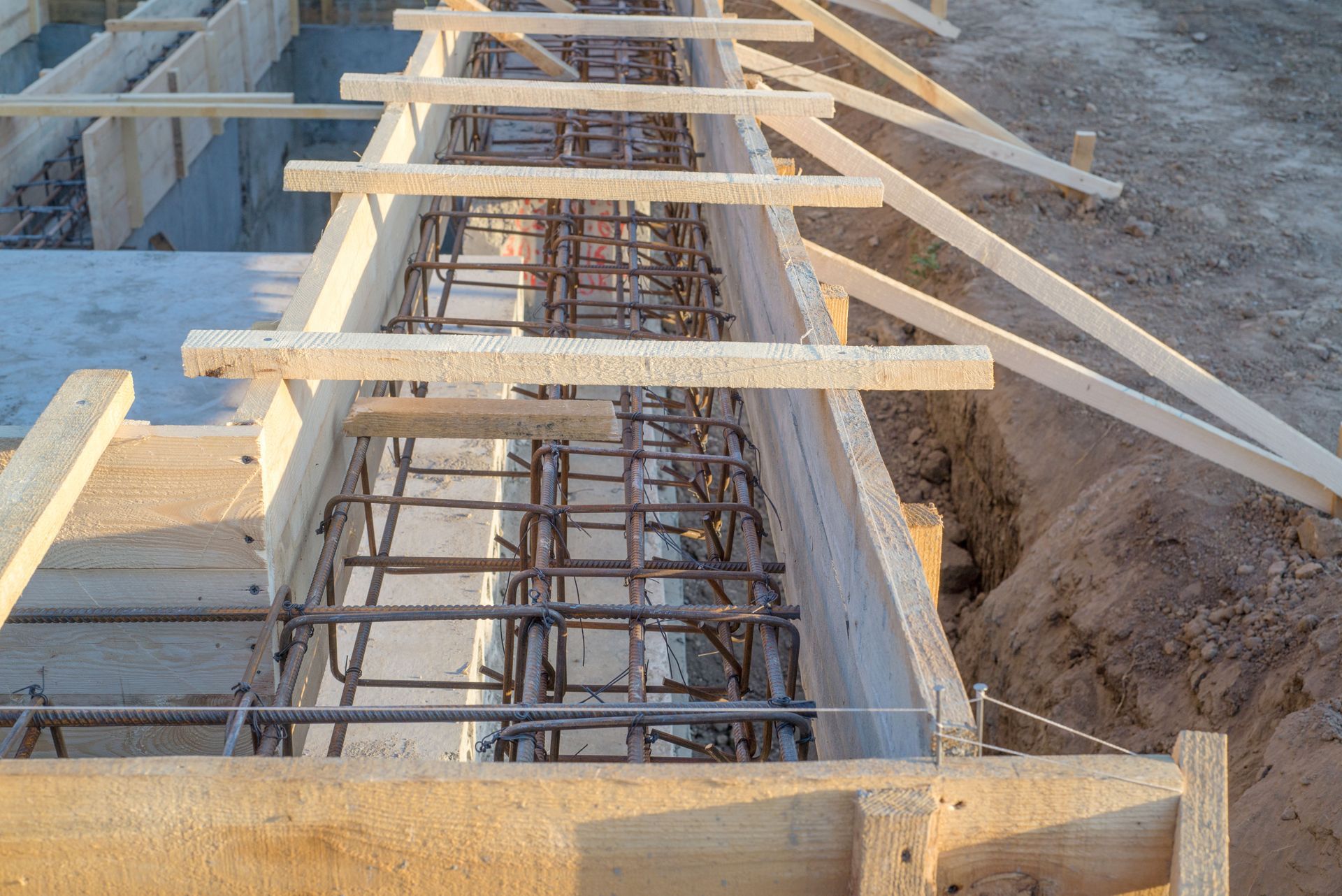
At its core, rebar detailing is the process of translating structural engineering drawings into precise, actionable instructions for fabricating and placing reinforcing steel. A detailer reviews blueprints and shop drawings, then produces bar bending schedules that specify the size, shape, length, and quantity of every piece of rebar required for a project. This is not simply a matter of counting bars. It requires an understanding of how reinforcing steel interacts with concrete to resist tension, how bars need to overlap or bend around corners, and how local codes govern spacing and cover requirements.
Skipping or rushing this step can lead to serious problems. Bars that are cut too short, bent at the wrong angle, or placed in the wrong location can compromise the structural integrity of a foundation, wall, or slab. Getting rebar detailing right the first time helps prevent these issues before concrete is ever poured, saving time, materials, and money.
How Does Rebar Detailing Fit Into the Construction Process?
Rebar detailing typically happens after structural engineering is complete but before fabrication begins. Once engineers finalize their drawings, those plans are handed off so that a detailed bar list and bending schedule can be produced. This schedule then guides the fabrication shop, telling workers exactly how to cut and bend each piece of steel.
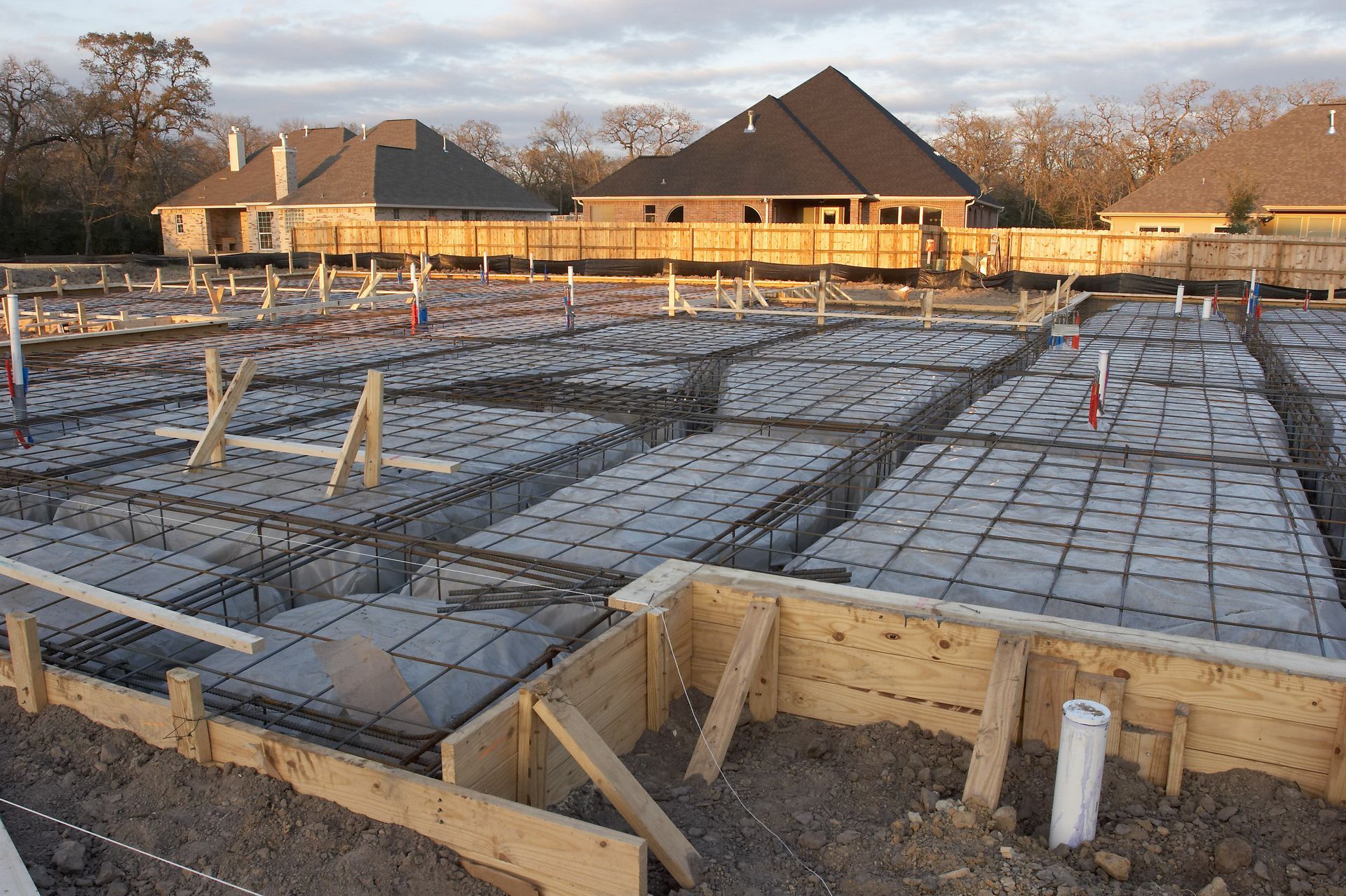
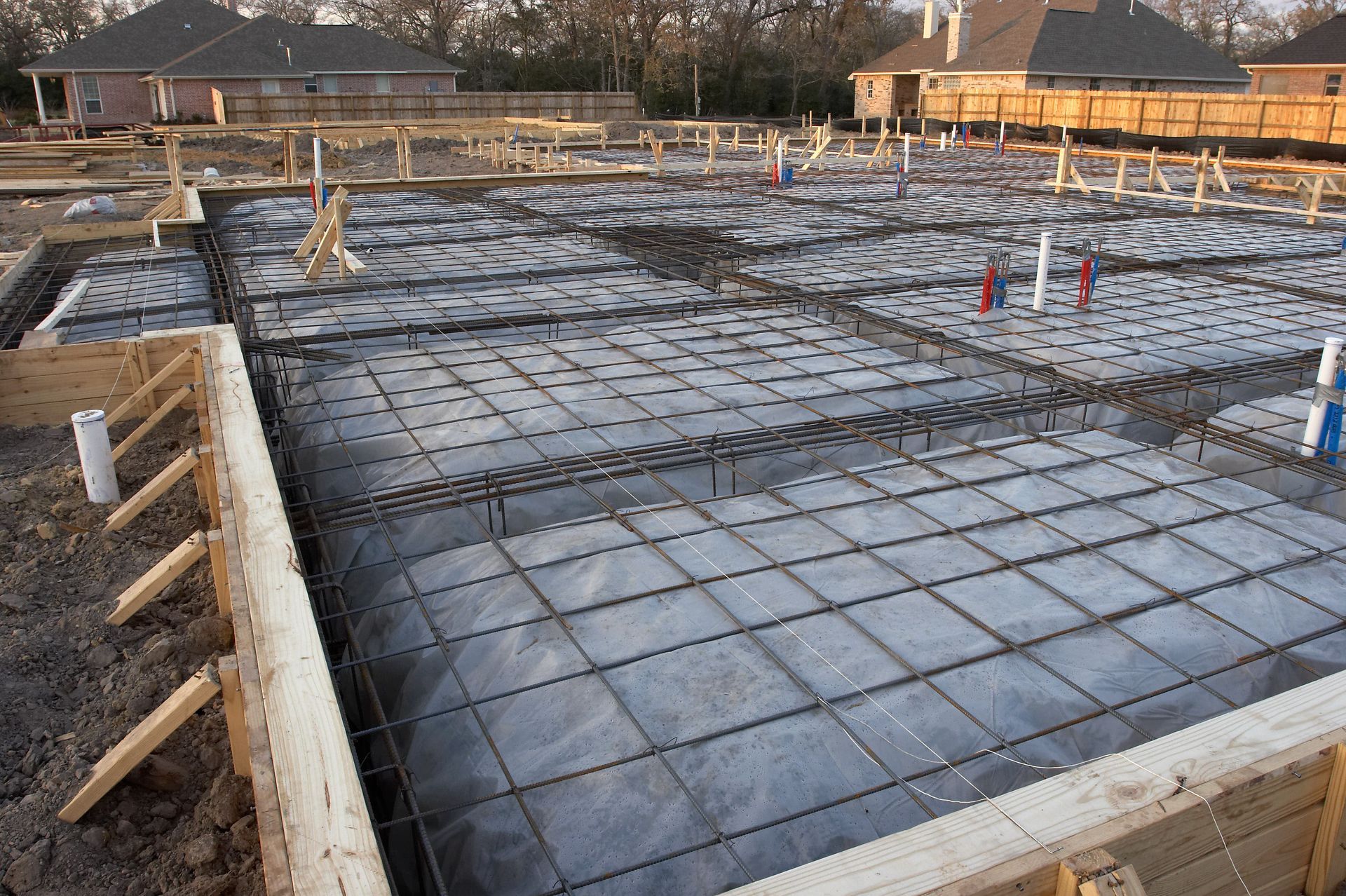
This sequencing matters because rebar detailing acts as a bridge between design intent and physical execution. A well-prepared bending schedule ensures that when materials arrive on site, they fit the concrete framework as intended, without requiring on-site adjustments that can slow down a crew or introduce human error. Projects that treat detailing as an afterthought often end up paying for it later in the form of delays, wasted material, or emergency reordering.
Why Should Contractors Send Blueprints Early for Detailing?
One of the most common mistakes contractors make is waiting too long to submit their blueprints or shop drawings for detailing and estimating. The earlier this information is shared, the more time there is to catch discrepancies, verify quantities, and plan for any special accessories the fabrication process might require.
Sending blueprints early also gives detailers room to communicate with the project team about anything that looks unclear or inconsistent, rather than making assumptions under time pressure. Because rebar detailing directly affects how much material gets ordered and fabricated, early submission helps eliminate unnecessary waste and keeps a project's budget and schedule realistic from the outset. If you are planning a project of any size, treat the detailing phase as one of the very first steps, not a box to check right before construction begins.
What Role Does Estimating Play Alongside Detailing?
Detailing and estimating tend to go hand in hand, and for good reason. While detailing focuses on the shape and placement of each bar, estimating determines the total volume of rebar and related accessories a project will require. Accurate estimating relies heavily on accurate detailing, since an error in the bar bending schedule can easily translate into an error in the material order.
This is also where the scale of the steel industry becomes relevant. According to Grand View Research, the value of the global steel rebar market reached $243.46 billion in 2024, reflecting just how much reinforcing steel moves through construction projects worldwide every year. With that much material in circulation, even small estimating mistakes can add up to significant cost overruns across an industry this large. Precise estimating, built on a foundation of careful rebar detailing, helps keep individual projects from becoming part of that waste statistic.
Can Rebar Detailing Help Prevent Costly Rework?
Rework is one of the most frustrating and expensive problems on any job site, and much of it can be traced back to reinforcing steel that does not match the structural requirements of a project. When a bar bending schedule is inaccurate or incomplete, crews may discover the mismatch only after materials have already been fabricated or delivered, forcing costly delays while corrections are made.
Careful rebar detailing is designed to catch these issues long before they reach the job site. By verifying that every bend, length, and placement lines up with the structural drawings, detailers help ensure that what arrives on site is exactly what the project needs. This proactive approach not only reduces rework but also protects the relationship between contractors, suppliers, and clients, since fewer surprises mean fewer disputes over timelines and costs.
What Should You Look for in a Detailing Partner?
Not all detailing services are created equal, and the difference often comes down to experience. A detailer who has worked across a wide range of project types, from foundations to walls to complex concrete assemblies, is far more likely to catch subtle errors that a less experienced provider might miss. Look for a partner who reviews your shop drawings and blueprints thoroughly, communicates clearly about any accessories or special requirements, and has a track record of producing bending schedules that hold up on the job site.
It also helps to work with a provider who can support your project beyond detailing alone, offering fabrication and related services under one roof. This kind of continuity reduces the number of parties involved in translating your plans into finished materials, which in turn reduces the chances of miscommunication along the way.
Why Is Professional Experience so Important in This Process?
Given how much precision this work demands, it is worth emphasizing just how important it is to work with professionals who understand both the technical and practical sides of rebar detailing. This is not a task suited to guesswork or generic templates. It requires familiarity with structural codes, an eye for how steel behaves within concrete, and enough hands-on experience to anticipate problems before they occur.
Working with seasoned professionals also means you benefit from insight that goes beyond the bending schedule itself. Experienced detailers can flag potential issues with a design, suggest more efficient bar layouts, or point out accessories you might not have considered. That kind of guidance is difficult to replicate without years of combined, real-world experience in the field, which is exactly why so many contractors choose to lean on established partners rather than handling this step entirely on their own.
Rebar detailing may not be the most visible part of a construction project, but it is one of the most important. From translating engineering drawings into precise bending schedules to helping estimate exact material needs, this process lays the groundwork for a project that stays on schedule and on budget. Skipping it, rushing it, or handing it to an inexperienced provider can introduce costly rework and delays that ripple through every later phase of construction. Taking the time to get rebar detailing right from the start protects your investment and sets your project up for a smoother build from foundation to finish.
If you have a project on the horizon and want detailing and estimating handled by people who know the work inside and out, we would love to help. At Spring Creek Building Supply, LLC, we bring hundreds of years of combined experience to every bar bending schedule we produce. Send us your blueprints or shop drawings today, and let us show you how much smoother your next project can run with the right team behind you.

Share On: